A Tale of Two Institutions. Healing or Horrors ? Part 1
By Dr. Naomi Wolf
Outspoken
June 17, 2026
I've had yet another journey to and back from a Gehenna, presented to me yet again by an allopathic hospital experience; as well as, perhaps - not to jinx the outcome - a beautiful 21st-century healing, also presented by another such institution.
It seems, right now, to be the story of two institutions; two approaches to medical care. I don't have an argument in this essay, because I can barely process for myself what I've been through. I just feel so lucky to be alive, and walking, and pain-free, and as much as anything, grateful to be cogent. I am grateful beyond words to be using words - that atmosphere, that system of starlight.
I'll lay out what happened, and what I think at this moment about what happened, and you can draw your own conclusions. Maybe I was saved. Maybe I was almost lost. Maybe both. Maybe I was redeemed by incredible vigilance from a deadly coma, or minimally, from brain damage; maybe I was subjected to unnecessary tortures, the worst I've endured in my life.
Maybe both are true. Maybe all of it. Maybe it was all completely necessary, including the unbelievable physical suffering I underwent. Far be it from me to quarrel with my far-from-guaranteed survival, apparently intact.
And, as everyone knows, I am not a medical doctor.
So this is Part One.
Via my diligent pursuit of alternative treatments for a hip that was painfully malfunctioning, secondary to the spina bifida occulta with which I was born, and which condition is stabilized by hardware at multiple vertebrae - l5-S1 - I had pushed the no-alternative-left option, a hip replacement, by 18 months. It's not uncommon for conditions such as the one with which I was born - which imperfectly closed my spine in utero - to cause secondary damage, over time, to a hip. So I felt I was doing pretty well.
Since, as you know, I had been told by an allopathic neurologist in 2013 that by now I'd be in a wheelchair, losing all my functions, I considered my general good health, stamina, focus, and my relative mobility - even as I began to limp and have pain in my right hip over the course of 2025 and 2026 - to be gifts from God, and daily manifestations of a miracle.
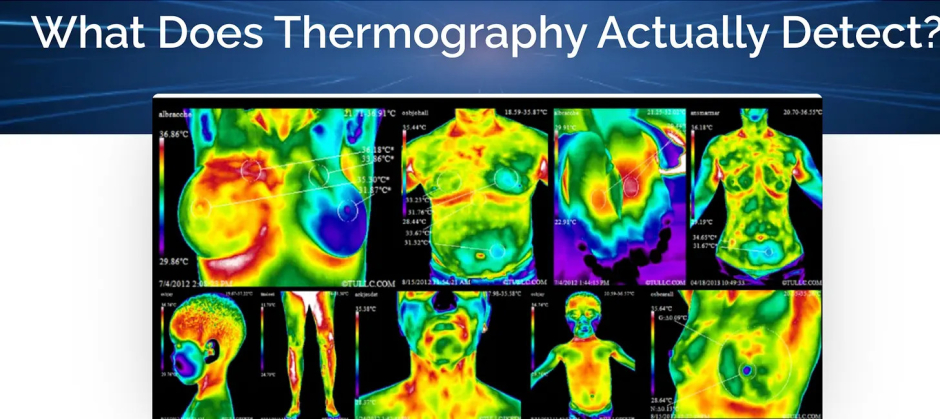
I also attributed my overall wellbeing to my extensive network of the best and bravest alternative healers, notably the brilliant and distinguished Dr Henry Ealy of the Energetic Health Institute ( energetichealthinstitute.org) who advised me all the way. I also credit the journey I have taken with you here, that led me to understand far more deeply than I had, my basic anatomy and its systems: to get a sense of how joints work, and what supplements and foods protect them; to have a deeper insight into the role of blood circulation in overall health, and to know what herbs promote healthful circulation; to know what muscles to stretch and work daily to give my spine and pelvis maximum support; to understand (via Thermography for Health New York, which uses the incredible diagnostic tool of thermography, which shows via color, "hot spots" in the body, in place of the dangerous protocol of mammography) the value of a working lymphatic system in eliminating toxins and preventing cancer. As a result of learning all about the importance of lymphatic flow, I started to build activities such as red light saunas, and other forms of sweating, into my weekly schedule. Through all of this and more, I came to understand more about the activity of my cells themselves, down to the mitochondria.
I benefited from interviewing some of the leaders in the alternative wellness space. I learned what specific vitamins and periodic internal cleanses I needed via Dr Hadar Elbaz, of The Vibrant Glow (who analyzed things sent through the mail I won't describe here); I tried to walk a few miles daily, to get sun on my body, and to avoid toxic thoughts, per my interviews with Dr Ben Tapper and Dr Kelly Victory of The Wellness Company; I took nattokinase supplements daily, due to what I had learned from the pioneering work of Dr Peter McCullough, since, though I am unvaccinated by an mRNA vaccine, I have no idea what are the impacts on my blood from others around me who are mRNA-vaccinated. I took kimchi supplements and ate fermented foods, after having interviewed Kim Bright, founder of Brightcore. I had chiropractic from Dr Paul Milone in Marblehead, MA; and I worked - among the serious high school and college athletes; I was lucky to have been accepted as a client - on a physical therapy plan developed by trainers at Accelerated Physical Therapy, also in Marblehead, MA .
As I've said elsewhere, my journey into alternative health and healing has led me to rethink what "health" really is. We have such a black-and-white, dualistic notion of "health" and "illness" in the West. I now know that you can have a serious physical condition - such as my problems with my skeleton - and still be systemically otherwise very healthy and heading always in the direction of healing; you can be like several friends of mine with cancer diagnoses, who radiate health in every other way, and who have beautiful qualities of life; or, conversely, you can have nothing "wrong" with you as far as allopathic tests and measurements reveal, and yet still be in a state of lassitude, toxicity or general unwellness, sadly heading toward a disease state.
I was so lucky to be able to invest in these alternative modalities. And as I learned over time how each one of these was preventing a condition or complication that allopathic pharmacy would just treat with more and more prescriptions, bringing with them in turn the risk of more and more side effects, I came to believe that this approach was ultimately far less costly than would have been my remaining ignorant and passive in the face of my degenerating gait, pursuing only what allopathic medicine recommended.
When I could put off surgery no longer, I chose the best orthopedic hospital in America. As you recall, I had nearly died of sepsis in a hospital after a bizarrely delayed surgery subsequent to my having sustained a burst appendix in 2023.
So I definitely had a fear of hospitals.
This fear had, it seemed, indeed led me to put the operation off for too long. Learning that face also frustrated me.
I wished that my exposure to the hot mess behind the last major public health effort, as revealed in The Pfizer Papers, had not caused such a dramatic, reasonable loss of confidence on my part, in the whole allopathic system. I wished I could have just done exactly what my doctors advised me, without the need for second-guessing or resistance; but until I found a surgeon I really trusted, I knew too much to simply take that leap without a lot of other assurances.
I'd been walking around with no cartilage on the right, it seemed, and my hip bone had started to chip; so my surgeon would need to add a bone graft.
The surgeon I chose at last, was a legend in orthopedic surgery; but I was just as impressed with the way he answered all of my questions, and did not rush me. I was impressed too with the way his staff seemed knowledgeable, respected, and able to give great independent advice - so unlike the automaton-like manner trained into support staff in other hospital settings.
I tried to pay out of pocket for the surgery, as I also feared having health insurance again. All my friends and loved ones with health insurance seemed to live from one medical scare subsequent to a costly test, to another. But when I learned that the surgery would cost about $70,000, I bit the bullet and applied for, and received, health insurance.
This major orthopedic hospital in Manhattan, in my brief stay at least, and even with the drama of what I underwent - really worked. From the first time I entered it, I felt a lively organizational intelligence. From the patient-friendly training of the staff at the front desk who warmly welcomed us, to the administrative mindfulness that led to the positioning of an actual human being in front of digital login screens to help scared or frail people sign in to enter the system, to the fact that there was a range of lower and higher upholstered chairs in the waiting areas, so that whatever people's level of mobility, they would be comfortable - all of it bespoke a coherent, institution-wide level of consideration.
I saw humanity in action again and again. What was surprising was how surprised I was to see humanity so prominently given a role in the administrative processes, as well as in the healing processes, of a major American hospital.
At an early appointment checkin, for instance, I was standing behind a young man who had been born, it seemed, with a spinal deformity. He was a little over four feet tall, and he stood on crutches. The counter was higher than his head. The staffer welcoming us into the waiting room checked in the taller person in front of him, and then she turned to me. She hadn't seen the young man in front of me. When I gestured to indicate that someone was ahead of me, she looked over the counter and saw that she had overlooked him; the regret and embarrassment on her face at her oversight, were genuine and profound. I saw humanity of that kind manifest at that hospital again and again.
My own fearful and aversive views of some aspects of allopathic medicine, which are based on evidence to which I was exposed in my work with The Pfizer Papers, were not ridiculed or belittled by hospital staff. This was an extraordinary level of acceptance of others' perspectives, to encounter in a traditional hospital setting. I did not mention my work on that project, of course. But views I held about what I did not want from a hospital setting definitely came up.
For instance, I did not want a blood transfusion during surgery. I was afraid of receiving mRNA-vaccinated blood, because of the many clotting diseases and blood problems that followed mRNA vaccination, as detailed in The Pfizer Papers; because of our lawyer Ed Berkovich's FOIA showing that the White House had concealed cases of thrombotic thrombocytopenia following mRNA vaccination; and because of the damaging impact of the spike protein and of lipid nanoparticles on blood and on blood vessels.
(DailyClout has recently been hacked, and many of these reports that link to the original Pfizer documents are no longer available online - leaving online, however, AI claims that my presentation of this blood damage evidence is "medical misinformation." We are working to republish all of the reports, but they are available meanwhile in The Pfizer Papers books, and the White House FOIA results are linked above).
I learned, in preparing for my own surgery, that there are methodologies in place in New York City for storing one's own blood in advance of surgery. This is called "autologous blood donation." NYU Langone offers it, as does Memorial Sloan Kettering. There is a facility, Memorial Blood Centers, that will store your blood prior to surgery - but you need a prescription from your doctor a week in advance.
I had not arranged for this in time, but orthopedic hospital staff treated my concern about this issue with respect. They may not have seen the problem of vaccinated blood as I did; but the staff of this hospital did not dismiss or belittle me.
I also learned when you enter the allopathic medical system, that you are in a constant battle with shadowy nonprofits and government entities, just to keep mastery of your own data, and even of your own body parts and tissues.
This hospital was literally the only one I have encountered that let me strike the many paragraphs in the initial consent forms that give third parties access around HIPAA privacy law. This may seem like a nerdy and trivial concern, but it is important. HR 3103 - HIPAA law - is a Federal law, and it robustly protects your medical privacy. (Interestingly, there are a lot of summaries, but you have to look a bit for the text itself, which I embedded above).
As a result of HIPAA law, many nonprofits and state entities who are part of the marketplace of your data, and even part of the marketplace of your organs and tissue, if you are an organ donor, want you to sign away your protections.
After the battle we fought in 2023 against vaccine passport databases, I am never going to let anything weaken the protections around my medical privacy, again.
Mission creep, in terms of what is asked by these these consent forms, is constant. I had to turn down a visiting nurses' organization, whose consent form wanted me to tell them who had my Power of Attorney, to hand over my medical data to for-profit hospice networks — no thank you — and to okay the organization or their assignees to come to take me away to another location "in a disaster." The nurses' organization refused to allow me to strike these additions and then sign, even though the consent form itself said clearly that the law did not allow the organization to refuse to allow me to decline those extra terms.
A favorite trick these days is for the checkin staff to show you a digital signature screen to sign, that says in fine print, "I have been given a copy of the consent form", even as one is never given a copy of the consent form.
The use of digital screens rather than paper, lets hospitals claim inaccurately that you can't strike any part of the consent form. This is not true. Legal documents can be edited if they are initialed and signed.
This orthopedic hospital, in contrast to all the others, simply printed out a copy of the consent form when I asked to strike some content, let me strike the paragraphs to which I did not wish to consent, let me initial and sign it — and that was that. Into my file it went.
The respect shown to patients in the hospital choosing to do this, was entirely unusual.
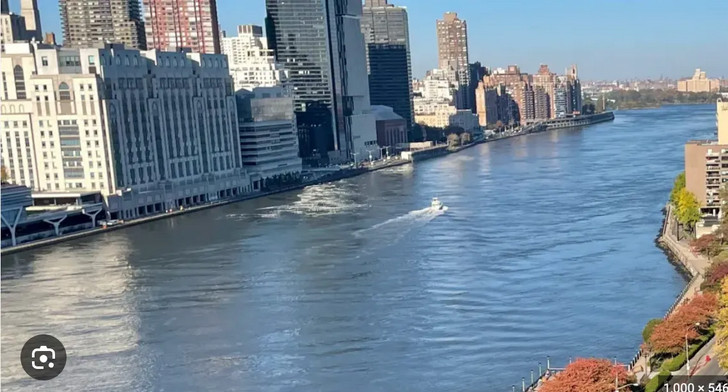
The morning of my surgery, Brian and I waited in a beautiful waiting room next to the East River; its waters flowed deep green, and the city sparkled in the June light. My mother had drawn a card for me, and colored it, and sent it to me via mail. I had brought it with me, of course. She had depicted me doing a cartwheel, and added dancing, wearing high heels, and hiking, to the many activities she wished upon a healed me.
My mom has drawn such "healing pictures" for me to look at, with every surgery I've undergone — and every time, I heal so quickly that my doctors are astonished. The unconscious mind, of course, is powerful.
I was now in a hospital gown, and lying in a bed by the rushing river. Brian had my picture, and the other little items he would bring to me after the procedure.
We were greeted by members of the surgical and administrative teams. Though I continually opt out of being an organ donor in New York State, I keep somehow finding myself on the state organ donor list. I expressed to a young man in a beautifully-tailored suit, whose job it was to prepare me, it seemed, psychologically, for surgery, why I was worried about being listed in New York State as an organ donor ( donatelife.ny.gov.
He listened patiently. Finally he said emphatically: "You are not going to die ! We are not going to take your organs!" Brian, who was holding my hand, laughed out loud. But we both actually felt heard.
Then there was the goodbye to Brian, and the wheeling-in to the surgical theatre; the introduction to the surgical team, to the anesthesiologist, and to the man whose job it was to roll me on my side, as I lost consciousness, and to strap me onto the gurney.
Then all, all was darkness.
#####
And then I woke up in yet another beautiful room, a corner room with a high ceiling, and with light pouring in from 12-foot windows. Was I in heaven ? My pain was gone. The river was farther below me than it had been before. It was racing like a goddess in a hurry.
I could see all the way to Queens. The city was like a beehive. Everything had purpose and direction. My life would begin again.
I think my surgeon and his colleague greeted me — my memory is unclear — and I believe that they said that the surgery had been a success.
My mom's drawing, of myself fully healed, had been placed on a lovely tray. Had Brian placed it there ? I was still high from the anesthesia, or the relief, or all of it. Also Oxycodone.
I felt nothing but joy.
Brian came to visit, and left when visiting hours ended; he was happy. I was happy.
Dinner was wheeled in — nutritious, delicious. It tasted like real food. I was giddy. Mashed potatoes ! Real turkey ! And — HDTV had never been more interesting. Property Brothers ! What would they do with that veranda?
The world was new, healthy and sparkly, and entirely delectable.
I'd been chatting with my roommate, a woman a few years younger than I, who worked in a senior role in a major hospital in a major city. I remember that with what was left of my conscious mind — my prefrontal cortex mind — I was thinking, "Don't get into anything substantive."
She was very nice, but I really wanted to stay anonymous, and to remain well out of any fights. I knew too well how electrically — for good or bad, there is no way to know in advance — any mention of my work with The Pfizer Papers, charges the air.
I kept my remarks to kids, schools, neighborhoods. I slept and woke the next day - a sleep of heaven. No beeping, somehow. No blinking lights. Blessed darkness. I don't know how this hospital solved the purgatorial problems of sleep that other hospitals cannot solve, but it did.
Mine was a deep, pure, Victorian invalid's sleep.
I woke to a good new day. I would be discharged today ! I was given another Oxycodone.
Unfortunately, in the space between last night's pleasant chat and this morning's more focused exchanges, my suitemate had found out about my work on The Pfizer Papers.
I then started to fend off pointed questions from across the room — the kind my anesthesia-weakened brain could not parry without effort.
"I would rather not talk about it," I said.
She forged ahead: "Your team says that there was a high rate of miscarriage in The Pfizer Papers. But you can only know that if you know the total number of all the pregnant women in the study." Or words to that effect. (All of this exchange is approximate, as I was on heavy painkillers at the time).
This argument was a talking point that came at us a fair amount. It was in the Google list of "rebuttal" talking points. There are good answers to this — we do know the total number of pregnant women Pfizer followed: 270. Of those, Pfizer lost 236 of the subjects' records. Of those 34, over 80 per cent lost their babies. I knew this, but I also knew that to explain this would require of me the very life force I needed to heal.
"I am happy to send you the studies. I just really need to rest right now."
"But —" And then she came at me again, as I recall, from another rhetorical direction; with the procedural guarantee of safety and efficacy for new medications, from the FDA. Or from the CDC. I knew that I could rebut this as well, if I summoned all of my efforts, but that it would hurt, obscurely, to do so.
"Do you mind if we just don't talk about it ? I just think I should rest. Happy to send you a book."
"But —" and then, as I recall, there was a bio-distribution question.
All of her questions were reasonable and well-articulated. I respected what seemed to be her sincere curiosity about what we had found; she was assessing the solidity of the evidence we presented, though her sources were derived from the way that Google carelessly summarized our work, and she was using the analytical tools she had from her training. I respected the intellectual rigor of her questions, though it frustrated me that she did not have our primary research documents to assess.
At the same time — this was not the time or the place.
At the same time — I could not walk; I could not leave the conversation.
At the same time — I did not have any of my own documentation with me, and I was weak and drugged.
Irrationally or not, I felt attacked and unsafe.
I answered her at last. My prefrontal cortex was no longer on an alert.
I told the truth, and all the feeling I had about the truth, poured out into my body with it.
I told her about the pregnant women. I told her about the flattened placentas. About the women dying in childbirth. I told her about the bio-distribution study that Pfizer did, showing that the dangerous materials — the lipid nanoparticles, the mRNA — went all over the body, accumulating in the spleen, brain, lymphatic system, liver, and, if you are a woman, in the ovaries.
I told her about the seven-year-old children whose deaths from stroke were buried in footnotes.
"It is a massive crime," I said.
When I spoke, I could feel a shunt of some kind in my heart, open. Due to the drugs I was on, the pure rage I felt about these deaths was unmediated by my prefrontal cortex. I was all limbic system. I felt my blood push, like a tidal flow, as it had never done before, from my enraged heart, and surge around my entire circulatory system.
I felt it wash through and over my exhausted brain.
There was silence from my roommate.
"But now, please, I really don't want to talk about it any further," I said, yet again. "I really do need to rest."
Then there was a tense silence. It lasted about twenty minutes.
I clicked The Property Brothers back on. But you know how women are. Especially smart women.
We can be tense together, in a room, louder than any TV program.
Then I began to see a waving semicircle of color — the "aura" of a migraine. I have experienced this before. It did not worry me.
I watched it grow into almost a full circle, slowly distorting my vision.
Then — I don't know how — for some reason, a nurse was in my room asking me a question.
When I tried to answer her, I could not find coherent speech.
She looked horrified.
She stepped out, as I recall, and stepped back in quickly, holding some cards with pictures on them. One showed a bird.
I knew it was a bird.
In my soul, I knew everything possible about the birdness of the image. But when she asked me to say what it was, I grasped and grasped silently for the name of the thing, and finally could do nothing but shake my head.
She asked me another question — the date ? The name of the hospital ? And I tried to answer her.
Gibberish.
I tried harder: every third or fourth word came; but in between, there were no words.
I could not find them.
She look more concerned than ever, and signaled to the exterior of the room in some way. Suddenly my bed was surrounded by about a dozen people, men and women, all in hospital scrubs. All looked as concerned as did the nurse.
One or two of them also tried talking to me. Again I struggled fruitlessly to answer. I felt a nightmare feeling that I was wandering down the hallway of language — the place I lived, my very identity, the place I thought of as home — but that four of five necessary doors in that hallway, were now locked shut.
I shook my head, again helpless.
The group stood up as one, the collective worry in the room still more heightened.
A gurney appeared in their midst.
The men and women bundled me onto the gurney, and sped me downstairs.